A Comprehensive Guide to the Custom Home Building Process Guide
Embarking on Your Home Building Journey
Building a home from the ground up is more than a construction project; it’s the creation of a personal sanctuary, a space tailored precisely to your lifestyle, tastes, and aspirations. The journey to create a Dream Home is one of the most significant investments you’ll ever make, both financially and emotionally. It’s a path filled with critical decisions, detailed planning, and creative collaboration. The end result, however, is a residence that is uniquely yours—a perfect reflection of your vision.
The custom home building process can seem daunting, with its many phases and moving parts. From the initial spark of an idea to the final turn of the key in your new front door, each step requires careful consideration and expert guidance. This is where a trusted partner becomes invaluable. At Grace Custom Contracting & Design, we serve as your dedicated guide through this intricate process in Waco, TX, ensuring clarity, quality, and a commitment to bringing your vision to life with precision and care. This guide will demystify the process, breaking it down into manageable phases and providing the insights you need to navigate your home building journey with confidence.
Phase 1: Vision, Budget, and Team Assembly
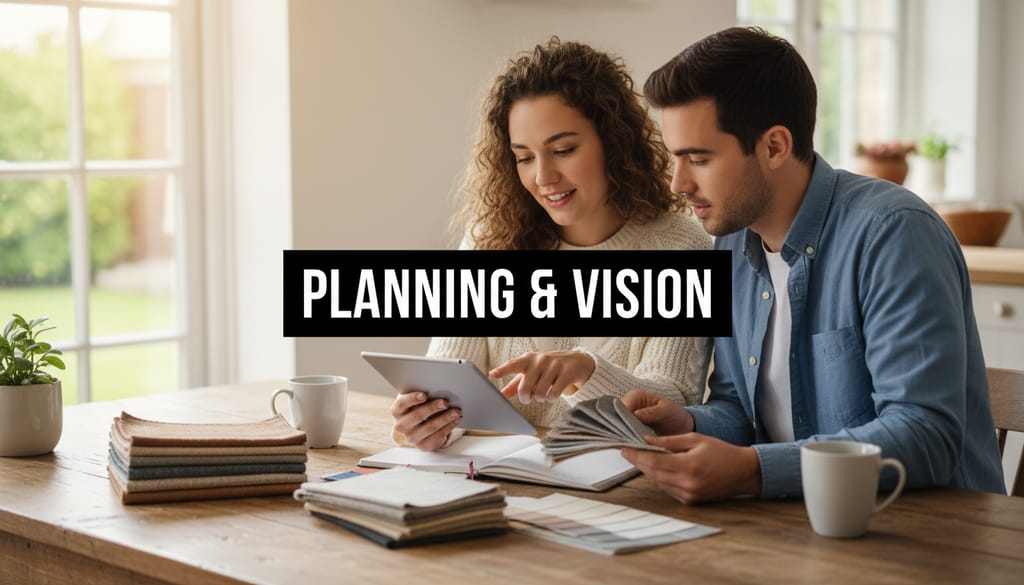
The foundation of any successful custom home project is not concrete, but a well-defined plan. Before the first shovel of dirt is turned, a significant amount of work goes into establishing your goals, setting a realistic financial framework, and gathering the right team of professionals. This initial phase is arguably the most critical, as the decisions made here will shape the entire project.
Defining Your Vision
Every custom home begins as a collection of ideas. The first step is to translate those abstract dreams into tangible concepts. Start by creating a detailed list of needs versus wants. Needs are the non-negotiables—the number of bedrooms and bathrooms, a one-story layout for accessibility, or a dedicated home office. Wants are the features you’d love to have if the budget allows, such as a gourmet kitchen, a spa-like master bath, or a large outdoor patio.
To gather inspiration, explore resources like Houzz and Pinterest, creating idea boards that capture your preferred architectural styles, color palettes, and material finishes. Think deeply about your family’s lifestyle. How do you entertain? Do you need space for hobbies? How will your needs evolve over the next ten to fifteen years? Answering these questions is key to designing Personalized Living Spaces that are not only beautiful but also highly functional for years to come.
Establishing a Realistic Budget
Financing a custom home is different from buying an existing one. Your budget needs to cover not just the construction itself but a range of other expenses. It’s crucial to understand the difference between hard costs (the physical construction, materials, and labor) and soft costs (architectural fees, engineering, Permitting, and inspections).
A common question is, “Is $400,000 enough to build a house?” The answer depends heavily on size, location, and level of finish. In some regions, it might be feasible for a modest home, while in others, it would only cover a fraction of the cost. Similarly, the cost to build a 2000 sq ft house in NC will differ significantly from the cost in Waco, TX, due to local labor rates, material availability, and land prices. According to a report from the National Association of Home Builders, the cost to construct a home rose significantly over the last two years, making accurate, current-day budgeting more important than ever. When considering what salary you need for a $400,000 house, lenders typically use a debt-to-income ratio, suggesting your total housing payment shouldn’t exceed 28-36% of your gross monthly income. Consulting a mortgage advisor is the best way to get a personalized assessment.
Most importantly, always include a contingency fund of 10-20% of your total construction cost. This fund acts as a safety net for unforeseen expenses or allows you the flexibility to make upgrades during the build.
Assembling Your Professional Team
Building a custom home is a team sport. The three key players you’ll need on your side are:
-
The Builder: Your primary partner and project manager. A firm like Grace Custom Contracting & Design oversees the entire process, from initial design consultation to final handover, ensuring quality control and budget adherence.
-
The Architect/Designer: This professional translates your vision into detailed Architectural Plans. Sometimes the builder has in-house design services, creating a seamless design-build experience.
-
The Lender: You’ll need a financial institution experienced in construction loans, which are structured differently than traditional mortgages, with funds disbursed in stages as construction progresses.
|
Budget Category |
Estimated Percentage of Total Cost |
Key Considerations |
|---|---|---|
|
Land Acquisition |
15-25% |
Varies dramatically by location and lot size. |
|
Hard Costs (Construction) |
50-60% |
Foundation, framing, roofing, plumbing, electrical, finishes. |
|
Soft Costs (Fees, Permits) |
10-15% |
Architectural plans, engineering, surveys, permits. |
|
Landscaping & Exterior |
5-10% |
Driveway, patio, sod, irrigation, plants. |
|
Contingency Fund |
10-15% |
Essential for covering unexpected costs or desired upgrades. |
Phase 2: Land Acquisition and Design Development
With a clear vision, a preliminary budget, and a builder on board, the next phase involves securing the perfect piece of land and developing the detailed blueprints for your new home. This is where your dream begins to take a tangible form on paper, balancing aesthetics with practicality and ensuring the home is perfectly suited to its environment.
The Crucial Step of Site Selection
The land you build on is just as important as the house itself. The process of Site Selection involves more than just finding a lot in a desirable neighborhood. Your builder should be a key partner in this process, helping you evaluate potential properties for a variety of critical factors. These include:
-
Topography and Soil Conditions: Is the land flat or sloped? Are there rocks or drainage issues? The site’s physical characteristics will influence the design of the Foundation and overall construction costs.
-
Zoning and Covenants: Local zoning regulations and any neighborhood-specific covenants or restrictions will dictate the size, style, and placement of the home you can build.
-
Utilities: Does the lot have access to public water, sewer, electricity, and gas? If not, you’ll need to budget for the installation of a well, septic system, and potentially long utility runs.
-
Orientation: The way the home is positioned on the lot can dramatically affect natural light, energy efficiency, and views. A thoughtful orientation maximizes sunlight in living spaces while minimizing it in bedrooms during the morning.
Grace Custom Contracting & Design can perform a thorough site analysis to uncover any potential challenges or opportunities a piece of land presents, ensuring you make an informed investment before you purchase.
Creating the Architectural Plans
This is where your vision is translated into a buildable reality. Working closely with an architect or designer, you will develop a complete set of architectural plans. This iterative process moves from high-level concepts to meticulously detailed documents that the construction team will follow.
The initial stage involves creating schematic designs, including floor plans and basic exterior elevations. This is your opportunity to refine the layout, ensuring the flow between rooms works for your family’s lifestyle. Once the general design is approved, the plans are developed further into detailed construction documents. These documents specify everything from structural engineering requirements to the exact placement of every light switch and plumbing fixture. Advanced software like AutoCAD and Revit are used to create precise, multi-layered blueprints that leave no room for ambiguity. Careful review of these plans with your builder is essential to ensure they align with your vision and budget before construction begins.
Phase 3: The Pre-Construction Gauntlet
After the design is finalized and the land is secured, a series of critical administrative and preparatory steps must be completed. This pre-construction phase is the bridge between planning and building, and it involves finalizing all the details that will ensure a smooth construction process. It’s a period of intense decision-making and coordination, handled expertly by your builder to set the stage for a successful build.
Finalizing Selections
While the architectural plans define the structure and layout, the selection of finishes and fixtures is what gives your home its unique character. During this stage, you will make hundreds of decisions, including:
-
Exterior Finishes: Siding, stone or brick, roofing materials, windows, and exterior doors.
-
Interior Finishes: Flooring, tile, countertops, cabinets, and paint colors.
-
Plumbing Fixtures: Faucets, sinks, toilets, and tubs.
-
Electrical Fixtures: Lighting, ceiling fans, and outlet styles.
-
Appliances: The full suite for your kitchen and laundry room.
Making these selections before construction begins is crucial. It allows your builder to place orders with long lead times and provides the construction team with a clear roadmap, preventing costly delays and decision fatigue down the line. This meticulous planning is a hallmark of Grace Custom Contracting & Design’s commitment to Attention to Detail, ensuring every element of your home is cohesive and well-considered.
Securing Financing
With a complete set of plans and a signed construction contract, you can finalize your construction loan. Unlike a traditional mortgage, a construction loan is a short-term loan that covers the cost of the build. The funds are disbursed in a series of draws or installments to the builder as they complete specific construction milestones. Lenders like Bank of America and local credit unions often have specialized departments for these types of loans. The lender will typically require the architectural plans, the builder’s contract, and a detailed budget for approval. Once construction is complete, the construction loan is usually converted into a standard, long-term mortgage.
Navigating the Permitting Process
Before any construction can legally begin, the project must be approved by local municipal authorities. The process of obtaining building permits is a complex but essential step. Your builder will submit the final architectural plans and other required documentation to the City of Waco’s planning and building departments for review. Officials will check the plans for compliance with building codes, zoning laws, and safety regulations. This process can take several weeks or even months, depending on the complexity of the project and the municipality’s workload. An experienced builder knows how to prepare a thorough and accurate submission package to help expedite the approval process.
Phase 4: From Groundbreaking to Move-In
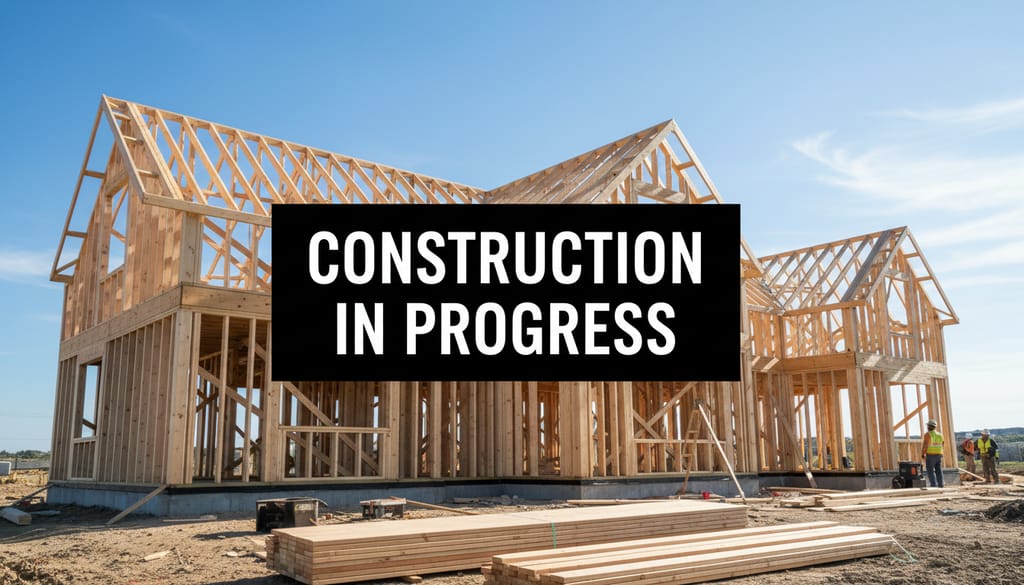
With permits in hand, the most exciting phase of the custom home building process begins: construction. This is where your vision, so carefully planned on paper, starts to rise from the ground. The construction process is a highly choreographed sequence of events, often broken down into seven key steps, with each trade’s work dependent on the completion of the previous one.
Step 1: Site Preparation & Foundation
The first physical work involves preparing the site. This includes clearing vegetation, grading the land for proper drainage, and excavating for the foundation. The footings are then formed and poured, followed by the foundation walls. This concrete and steel base is critical, as it supports the entire weight of the home. Inspections are required at this stage to ensure the foundation is built to code before any further work can proceed.
Step 2: Framing and “Drying In”
This is when your house begins to take on its recognizable shape. The Framing crew erects the structural skeleton of the home, including the floor systems, walls, and roof structure. This happens remarkably quickly and is one of the most dramatic stages to witness. Once the frame is complete, it’s covered with exterior sheathing and a weather-resistant barrier. The roof is installed, along with windows and exterior doors. This milestone is known as “drying in,” as it protects the interior of the structure from the elements, allowing interior work to begin.
Step 3: Mechanical Rough-Ins
With the structure protected, it’s time to install the home’s vital systems. Plumbers and electricians run pipes and wires through the interior walls, floors, and ceilings. The HVAC (heating, ventilation, and air conditioning) contractor installs the ductwork, vents, and furnace. This “rough-in” phase places all the necessary infrastructure behind the walls before they are closed up.
Step 4: Insulation & Drywall
After the rough-in systems pass inspection, insulation is installed in the exterior walls and attic. This is critical for the home’s energy efficiency and comfort. Following the insulation inspection, drywall (or sheetrock) is hung, taped, and finished, creating the smooth surfaces of your interior walls and ceilings. The house now truly starts to feel like a collection of rooms.
Step 5: Interior & Exterior Finishes
This is the stage where the home’s personality truly comes to life. Interior doors, trim, baseboards, and cabinetry are installed. Walls are primed and painted. Hard-surface flooring like tile and hardwood is laid, and countertops are set in place. On the exterior, the final siding, brick, or stone is applied, transforming the look of the home.
Step 6: Final Systems & Landscaping
The final trim stage involves installing the functional details. Electricians install light fixtures, outlets, and switches. Plumbers set toilets, sinks, and faucets and connect the appliances. HVAC technicians install the condenser unit and thermostat. Outside, the driveway and walkways are poured, and the final grading and landscaping are completed.
Step 7: Final Walk-Through and Handover
After a thorough final cleaning, you will conduct a walk-through with your project manager. This is your opportunity to identify any items that need correction or adjustment, creating a “punch list.” Once these final items are addressed and the home passes its final inspection from the city, you are ready for closing. You’ll receive the keys, and your custom-built dream home is officially yours.
Advanced Considerations for Your Custom Build
Building a custom home in 2026 offers opportunities to incorporate technologies and design principles that enhance comfort, efficiency, and long-term value. Thinking beyond the standard build can elevate your home from simply a new house to a forward-thinking investment in your family’s future.
Smart Home Integration
The best time to plan for a smart home is during construction. Pre-wiring for features like automated lighting, motorized shades, whole-home audio, and advanced security systems is far more efficient and cost-effective than retrofitting later. By running structured wiring (like Cat6 ethernet) to key locations, you future-proof your home for technologies that haven’t even been invented yet. Discussing your technology goals with your builder early allows for seamless integration of systems from companies like Control4 or Lutron.
Energy Efficiency and Sustainability
Building a home that exceeds standard energy codes is a wise investment that pays dividends through lower utility bills and increased comfort. Consider options like:
-
High-Performance Windows: Double or triple-pane windows with low-E coatings reduce heat gain in the summer and heat loss in the winter.
-
Advanced Insulation: Using spray foam insulation or a continuous exterior insulation system creates a much tighter building envelope, reducing drafts and energy waste.
-
High-Efficiency HVAC: Geothermal systems or variable-speed heat pumps can significantly lower heating and cooling costs.
-
Solar Readiness: Even if you don’t install solar panels immediately, pre-running the necessary conduit from the roof to the electrical panel makes future installation simple and inexpensive.
Material Selection and Long-Term Value
The quality of materials used in your home has a direct impact on its durability, maintenance requirements, and resale value. While it can be tempting to choose lower-cost options to save money upfront, investing in higher-quality materials often proves more economical in the long run. For example, durable flooring, quality cabinetry, and long-lasting roofing materials will withstand wear and tear better, reducing the need for replacement. A well-built custom home is a significant asset, and studies show that new homes constructed with superior materials and timeless design principles tend to hold their value well over time.
Pro Tip: Document everything! Keep a binder or digital folder with all contracts, change orders, receipts, and communication to ensure a smooth process and for future reference.
Future Trends in Custom Home Construction
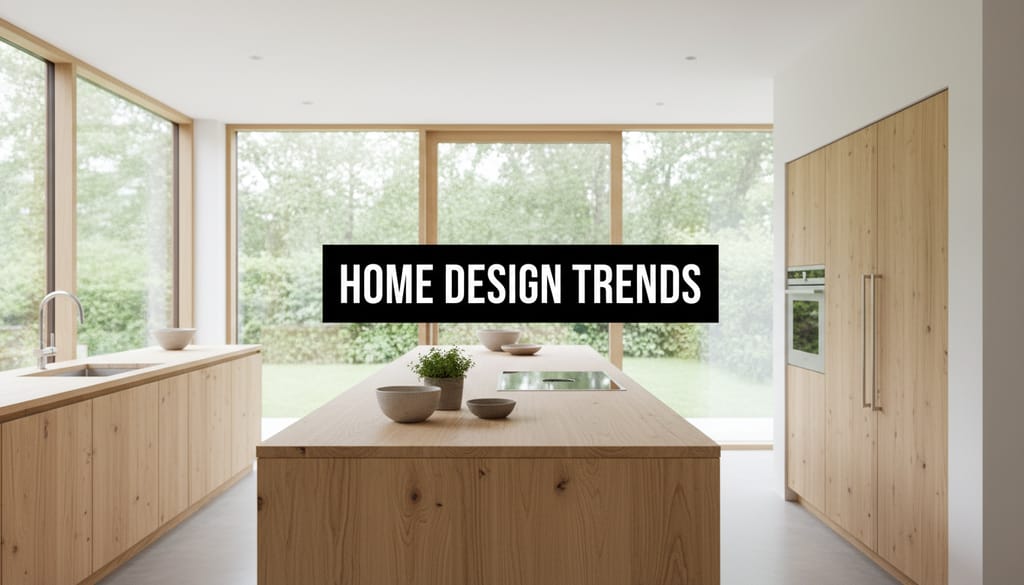
As lifestyles evolve, so do the designs of our homes. The custom home building process allows you to be at the forefront of these trends, creating a home that’s not only current but also poised for the future. Several key trends are shaping the way we think about residential design.
Biophilic Design
Biophilic design is a concept based on the idea that humans have an innate need to connect with nature. In home design, this translates to maximizing natural light with large windows and skylights, using natural materials like wood and stone, and creating a seamless flow between indoor and outdoor spaces. Features like living walls, interior courtyards, and large sliding glass doors that open onto patios are becoming increasingly popular.
Multi-Generational Living
More families are choosing to live together under one roof, creating a need for homes that can comfortably accommodate multiple generations. This trend is driving demand for flexible floor plans that include features like ground-floor master suites, separate guest houses or casitas, and accessory dwelling units (ADUs) with their own kitchenettes and living areas. These spaces provide both privacy and togetherness for modern families.
Elevated Outdoor Living Spaces
The backyard is no longer just a patch of grass. It’s now considered an extension of the home’s living area. Custom homes are increasingly featuring elaborate outdoor living spaces that include fully equipped outdoor kitchens, covered patios with fireplaces and entertainment systems, swimming pools with resort-style features, and thoughtfully designed gardens and recreational areas.
Wellness-Focused Design
There is a growing emphasis on designing homes that actively promote physical and mental well-being. This goes beyond a simple home gym. Wellness-focused design incorporates features like dedicated spaces for yoga or meditation, advanced water and air purification systems, steam showers and saunas in the master bathroom, and the use of non-toxic, sustainable building materials to ensure a healthy indoor environment.
Building a custom home is a journey of creation. It’s a detailed, collaborative process that transforms your unique vision into a physical structure built to stand the test of time. While complex, the experience of watching your ideas take shape is incredibly rewarding. The key to a successful and enjoyable journey lies in choosing the right partner to navigate the process with you. A dedicated, experienced builder like Grace Custom Contracting & Design provides the expertise, craftsmanship, and Attention to Detail necessary to ensure your Dream Home in Waco becomes a beautiful reality, perfectly tailored to you.
Frequently Asked Questions
How long does the custom home building process typically take?
On average, the entire custom home building process, from initial design to move-in, can take between 9 to 18 months. The timeline can be influenced by factors such as the complexity of the design, the permitting process in your municipality, weather delays, and the availability of materials and labor.
What is a change order and how does it affect my budget?
A change order is a formal written document that details any alteration or addition to the originally agreed-upon construction plans and contract. While they provide flexibility, change orders almost always add to the total cost of the project and can potentially extend the construction schedule, so it’s best to finalize as many decisions as possible before breaking ground.
Can I visit the construction site during the build?
Yes, you can and should visit your home’s construction site. However, for safety and to avoid disrupting workflow, all visits should be scheduled in advance with your project manager. This ensures a productive and safe visit where you can see the progress and ask questions.
How is a custom home builder different from a production builder?
A custom home builder, like Grace Custom Contracting & Design, builds a unique, one-of-a-kind home on your land, based on a plan created specifically for you. A production builder, in contrast, builds multiple homes within a community they are developing, offering a limited selection of pre-designed floor plans with some customization options.
What kind of warranty is typically offered on a new custom home?
Most custom home builders provide a comprehensive warranty package. This typically includes a one-year warranty on workmanship and materials, a two-year warranty on major mechanical systems (like plumbing, electrical, and HVAC), and a ten-year structural warranty on major components like the foundation and frame.
Ready to bring your dream home to life in Waco? Discover how Grace Custom Contracting & Design can transform your vision into a reality with exceptional craftsmanship and personalized design; visit our website to explore our services and portfolio. Let’s build something extraordinary together.
0 Comments